Hotel Mercure Gdynia Centrum
Gdynia
At a glance
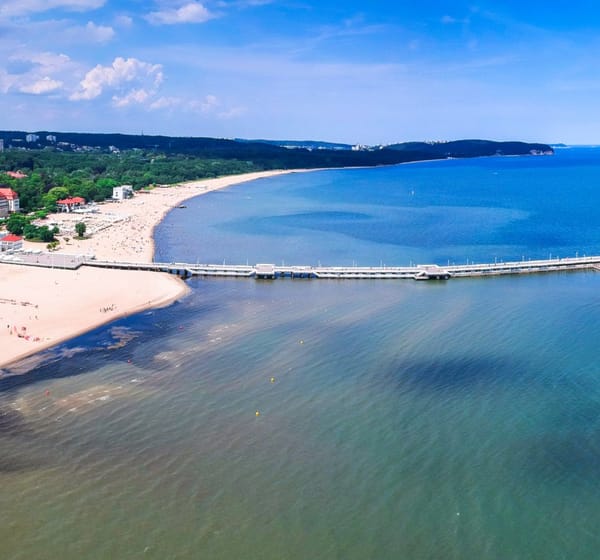
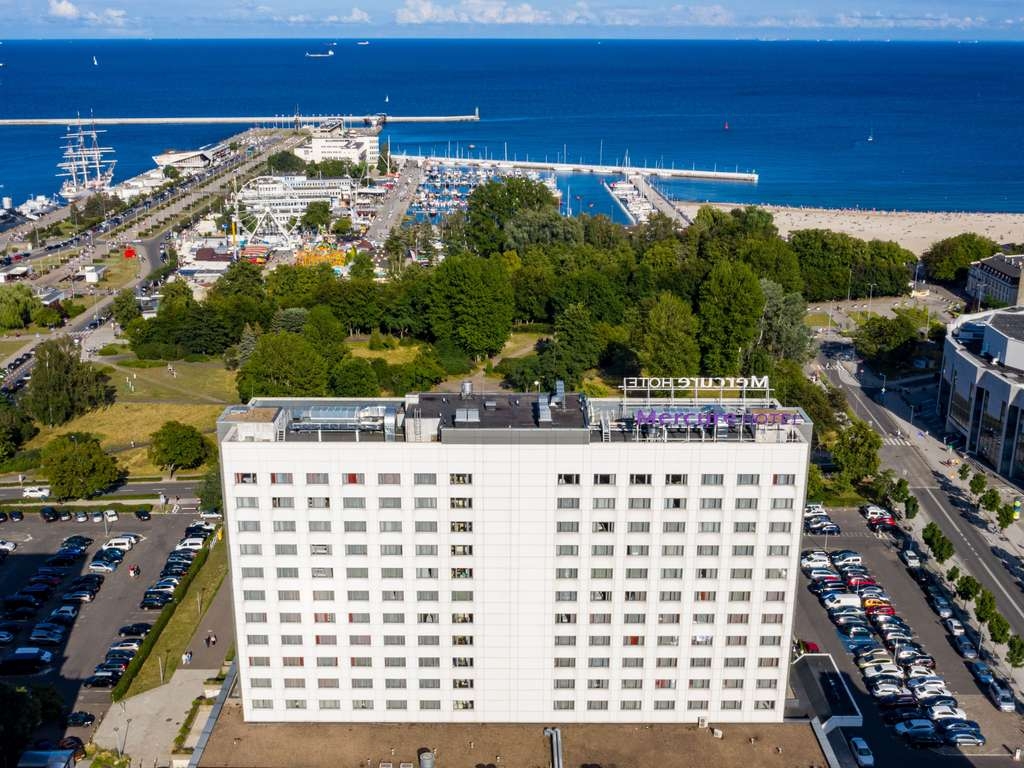
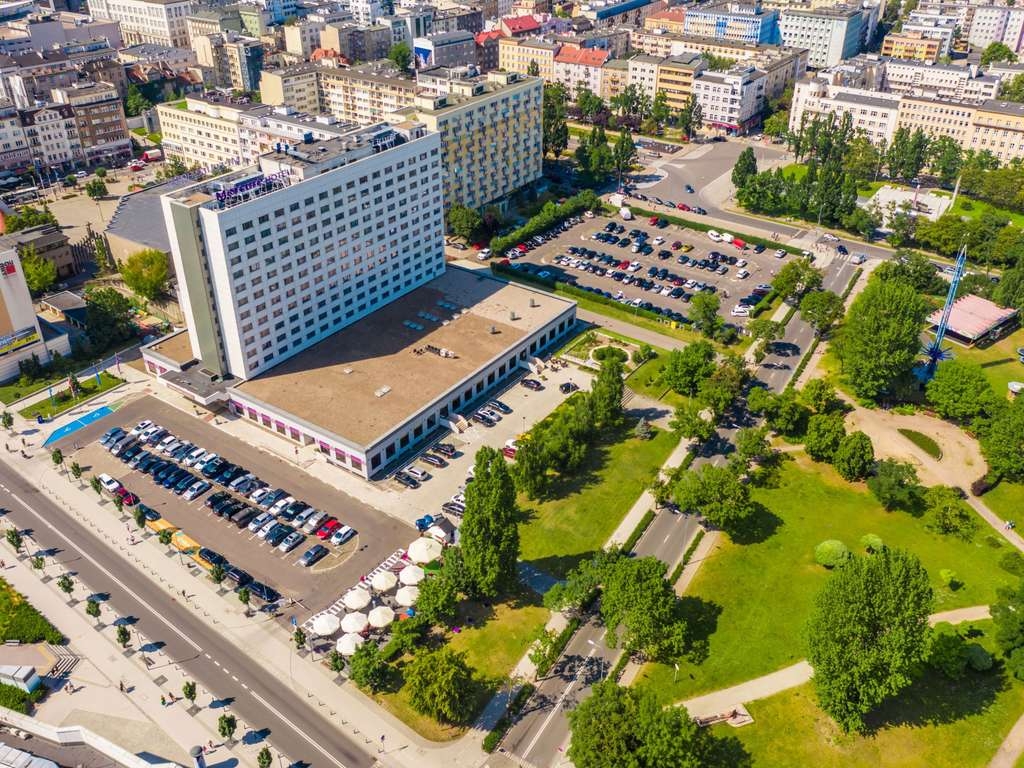
Mercure Gdynia Centrum is a three-star hotel in central Gdynia, positioned close to the coast and the city’s main cultural attractions. The Seaside Boulevard and beach are approximately 150 metres away, while the yacht marina, Musical Theatre, Gdynia Film Center and Naval Museum are also within easy reach. Public transport links, including nearby bus stops and the main railway station, make the hotel a practical base for exploring the wider Tricity area.
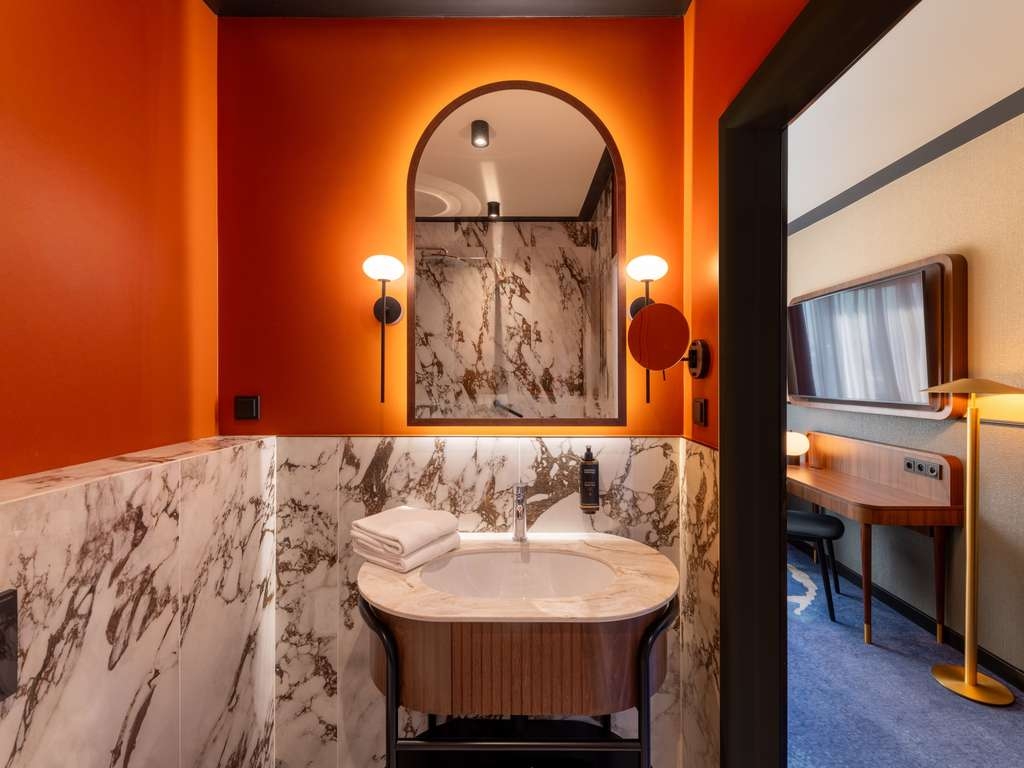
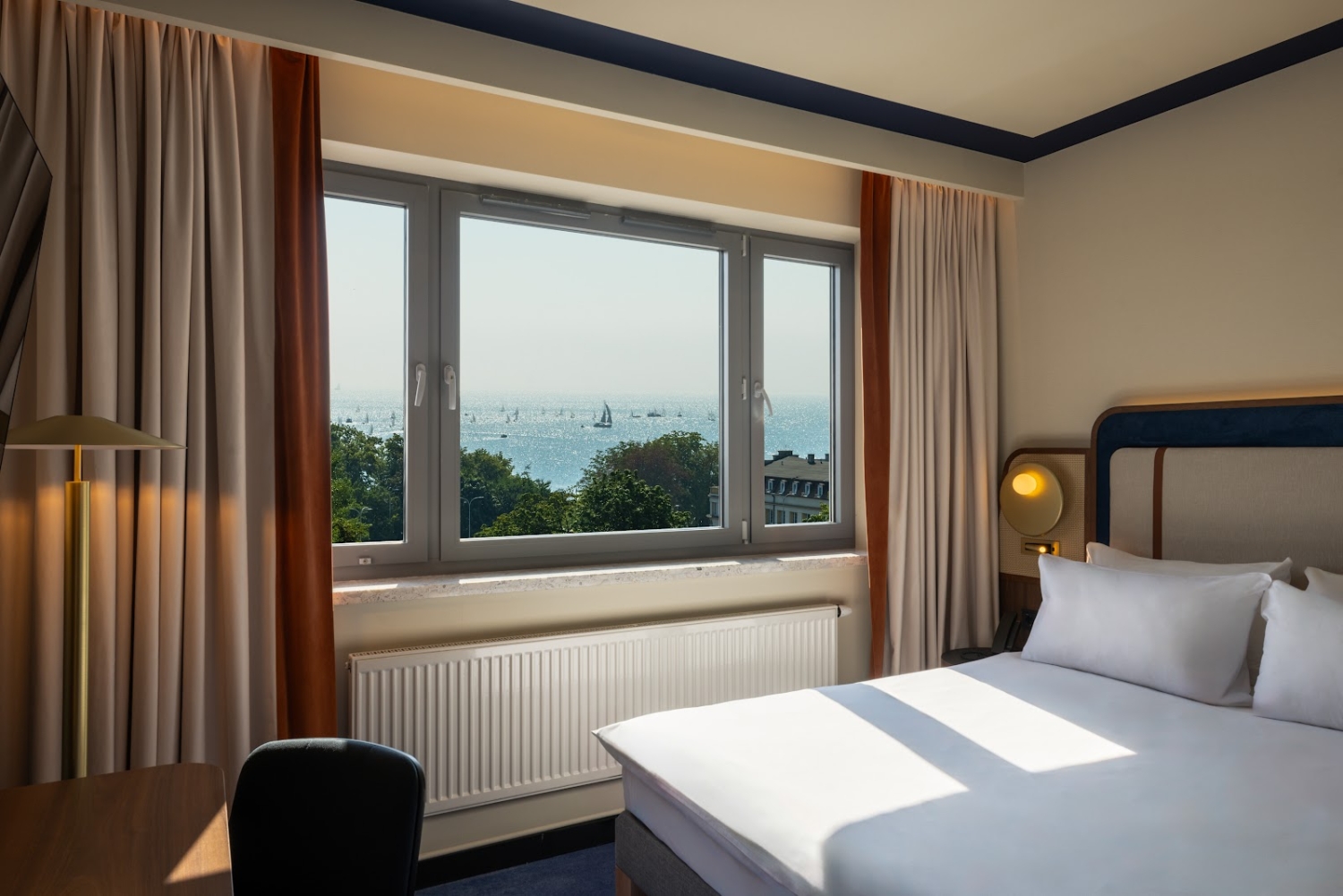
The hotel combines a straightforward contemporary style with facilities for both leisure and business stays. Its 301 modernised rooms include city-facing options, sea-view rooms and an apartment. More than 100 rooms offer panoramic sea views, giving some accommodation a strong connection to the coastal setting. Room categories include double beds and twin beds, with layouts suited to different types of travellers.
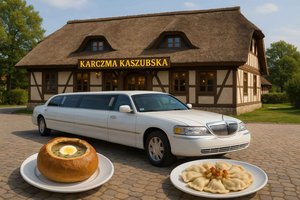
The culinary offer draws on local culture and forms part of the hotel’s broader hospitality provision. It sits alongside conference facilities, making the property suitable for business trips, meetings and organised events as well as holidays by the sea. The overall atmosphere is functional and accessible, with the location doing much of the work for guests interested in waterfront walks, museums, performances and central city sightseeing.
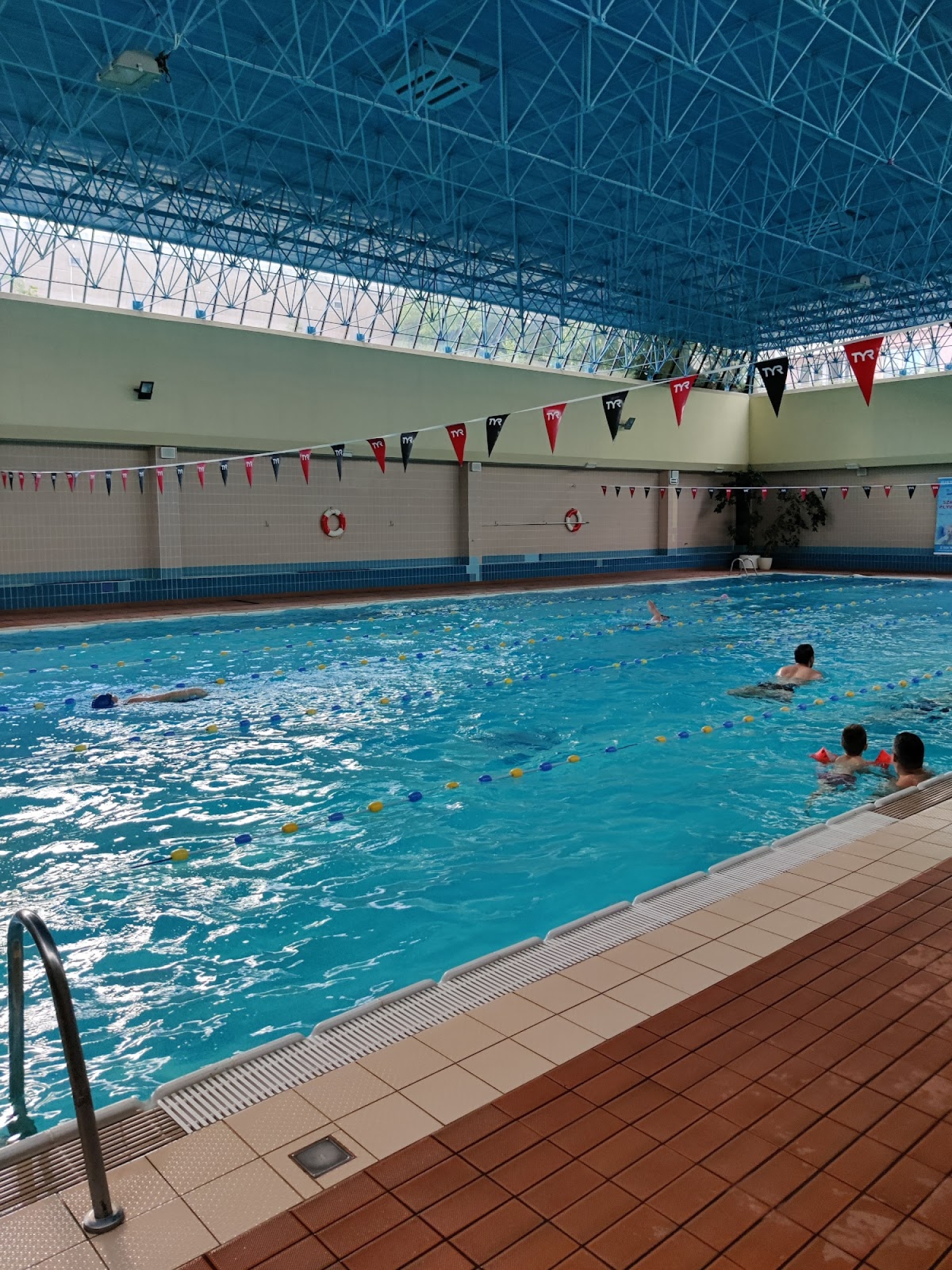
Recreational facilities include a swimming pool and saunas, adding an indoor option for guests spending time at the hotel. A monitored car park with space for more than 200 vehicles is available for travellers arriving by car. The combination of family-friendly accommodation, leisure facilities, public transport access and event space gives the hotel a broad appeal, from short city breaks and coastal stays to business visits and family trips.
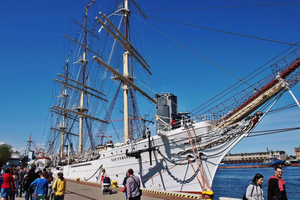
Mercure Gdynia Centrum suits travellers who value a central base near the sea without giving up practical hotel services. The nearby boulevard and marina support relaxed outings, while the surrounding cultural venues provide alternatives when the focus shifts from the waterfront to the city’s architecture, film, theatre and maritime history.